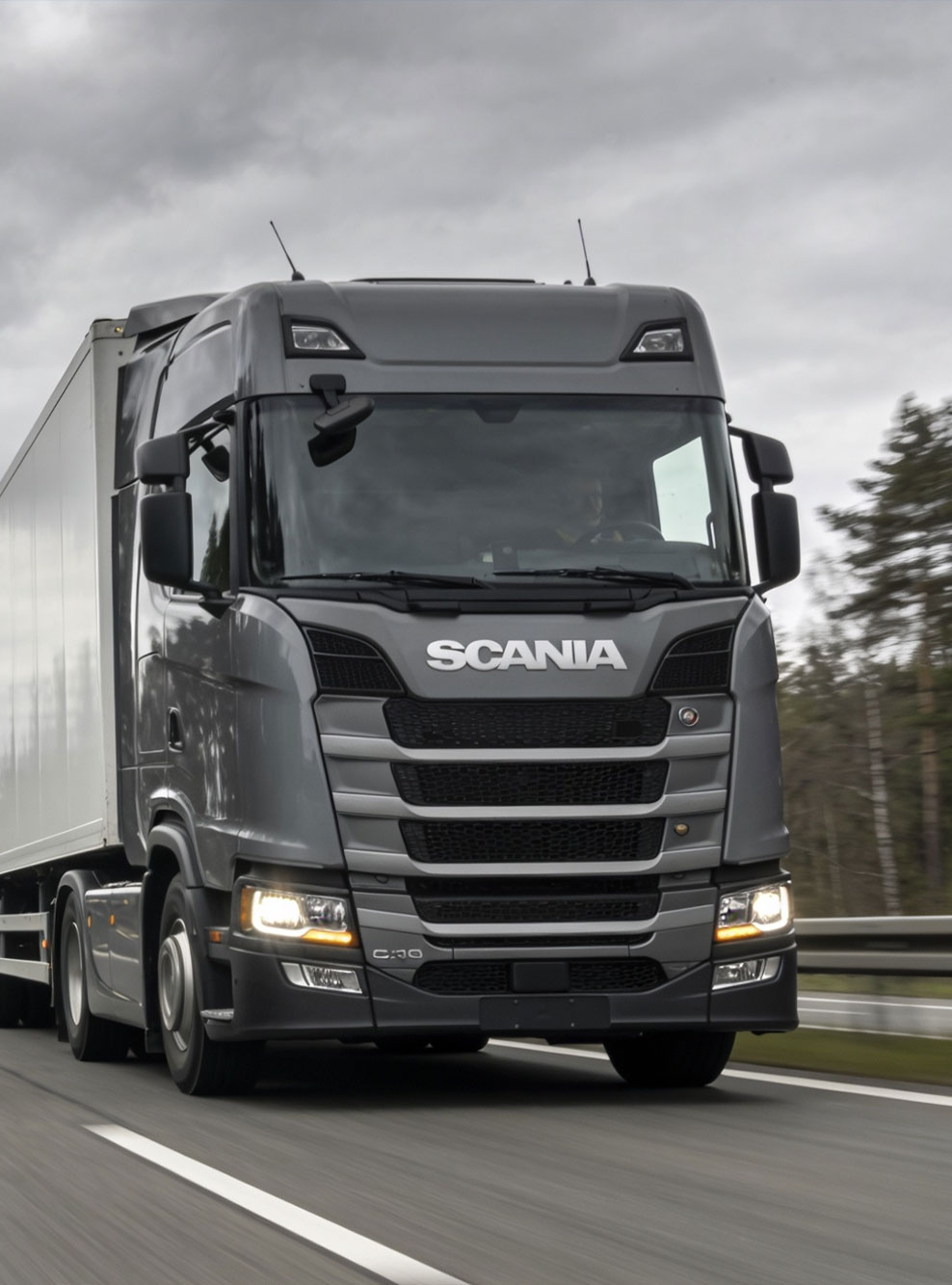

Wayve and Uber say their robotaxi service is “ready to go", with public waitlists already live and rides set to begin as soon as regulators give the green light. Waymo has been testing across 100 square miles of the Capital since spring, targeting a driverless service by the end of the year. Lyft, in partnership with Baidu’s Apollo Go, is putting vehicles on London’s streets within weeks. Three serious contenders, one city, all within months of each other - this is no longer a demonstration. It is a market forming in real time, with further, unannounced partnerships already in the wings.
What makes London the bellwether is not just its global profile or its complex street network. It is the legal framework for deployment. The Automated Vehicles Act provides operators with clarity on liability when the car is driving itself. Regulations are being finalised, with full implementation expected by 2027 - precisely the window in which permits will turn into passengers. The UK government has been unusually direct about its ambition to lead, and the stakes are high: a market estimated at £42 billion by 2035 (depending on who is counting), not to mention the social dividend of road safety - eliminating human errors that lie behind the majority of crashes.
But London is only the loudest signal. Across the Channel, the pieces are moving too - in Munich, Zagreb, Oslo, Zurich, Madrid, Rome, and even Luxembourg. Eighteen EU member states have signed a joint declaration on cross-border testbeds. Europe is now moving with intent, and the momentum is undeniable.
The question is no longer whether autonomy arrives, but who shapes it - and on whose terms. That last point matters most to me. Let’s not forget: the autonomous vehicle (AV) is not an end in itself; AVs are merely mobility tools in service of the city and its residents. Hence, the genuinely hard problems of the next two years are not just technical. They are about permits and public trust, about integration with public transport, about the workforce (unions estimate hundreds of thousands of driving jobs are at risk), and about whether cities are partners in this transition or mere bystanders.
This is exactly why the moment is so exciting, and so demanding. The technology is ready enough, the Capital is committed, the regulation is arriving, and the public is curious (over a third already say they would take a driverless ride). For the first time, all forces are converging at once. If we harness them in the right way, autonomy could induce greater mobility for all - safer, cleaner, and more accessible. Get it wrong, and we risk simply inducing congestion.
Which is why the timing of our Autonomous Cities Summit could hardly be better. When we gather at London's (incredible) Royal Institution on 18 March 2027, Europe's first autonomous services will have delivered their first rides, and the UK’s AV Act will be moving into full force. We are deliberately curating the most senior and authoritative voices across the entire ecosystem - bold startups, established players, regulators and partners - because the conversation this moment demands deserves nothing less. Confirmed speakers already include the CEOs and founders of OXA, Moove, Wunder Mobility, Zeelo, Odysse, and Motor AI, alongside senior leaders from Bolt and Stellantis, with many more key names to follow.
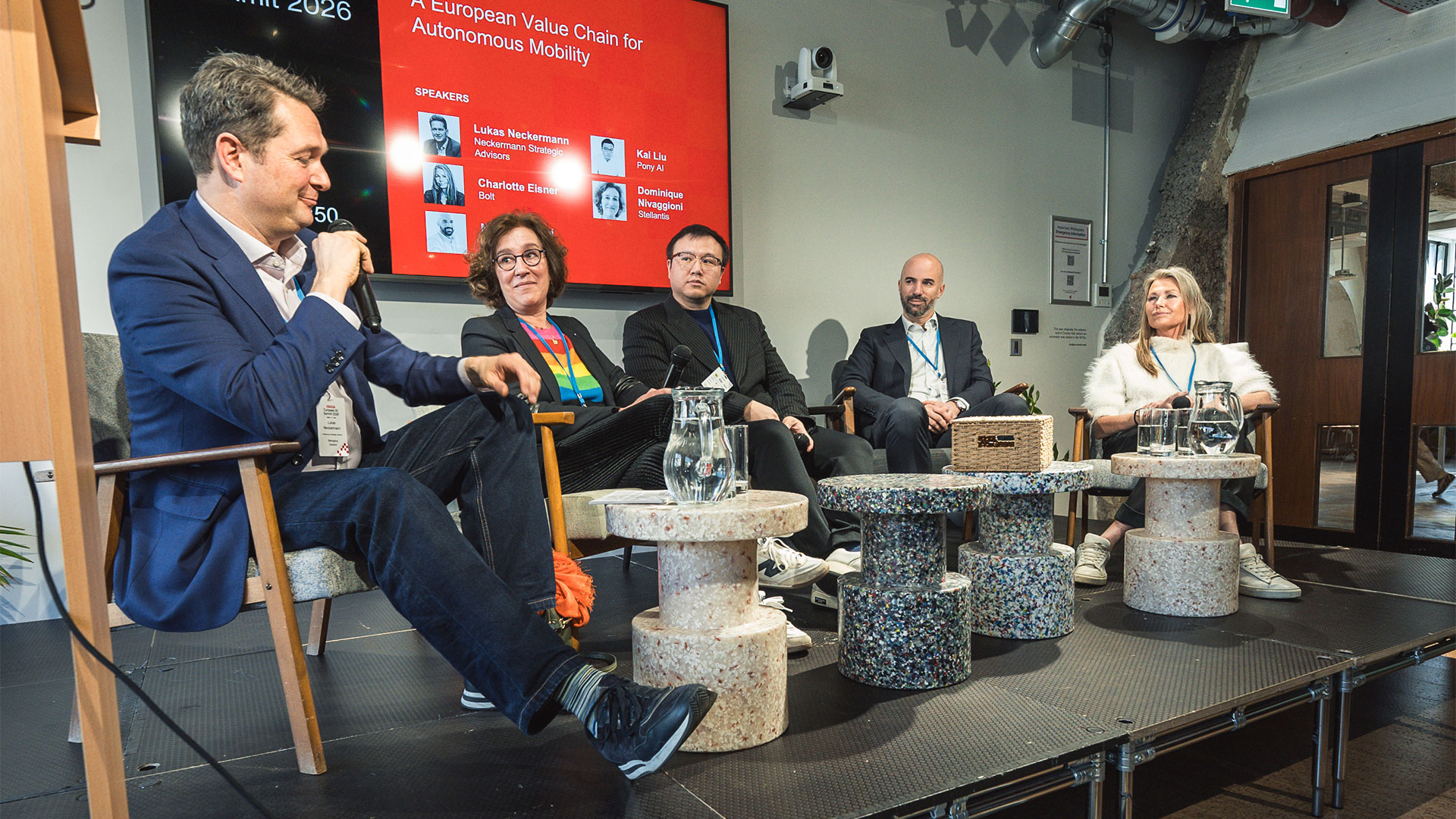
The Summit’s agenda reflects the urgency and depth of the challenges ahead.
- Keynote sessions will tackle the big-picture questions, such as "Autonomy on a City’s Terms" and "The Autonomous City of 2030 – and How We Get There", setting the stage for a future where cities and AVs coexist harmoniously.
- Fireside chats will dive into real-world progress, like "London Calling: Autonomy in the Capital" and "Made in Europe: Taking a Leadership Position in Autonomy", offering insights from those at the forefront of deployment.
- Panel discussions will explore critical topics such as "The Economic Imperative: Why Now?", "Infrastructure: What Do AVs Need?", and "From 50 to 5,000: Learning to Scale", ensuring that both the opportunities and the obstacles are given equal weight. Of course, we’ll also address the thorny issues of financing, insurance, and regulations.
These sessions are designed to provoke actionable dialogue among regulators, operators, and innovators. Join us - as a speaker, a sponsor, or a participant - at Europe’s most significant event on AV urban mobility. The next two years will define the autonomous city. The question is: Will you help shape it?